

Lease, Rent or Buy? Choosing the Right Forklift Strategy for Your Operation

One of the most expensive mistakes businesses make in materials handling is choosing the wrong forklift acquisition strategy.
The decision to lease, rent, or buy is often made quickly, based on habit, supplier advice, or short-term cash flow considerations. Unfortunately, these decisions can lock businesses into years of unnecessary cost, inflexibility, and operational compromise.
There is no universally “correct” option. Each model has advantages and risks, and the right choice depends on how forklifts are actually used within the operation — not how they are perceived to be used.
This article explains the differences between leasing, renting, and buying forklifts, the common mistakes businesses make when choosing between them, and how an independent, data-driven approach leads to better long-term outcomes.
Why Forklift Acquisition Decisions Matter More Than Most Businesses Realise
Forklifts are not incidental expenses. They are production assets that influence:
- Operational uptime
- Labour productivity
- Maintenance exposure
- Safety risk
- Total cost of ownership
Choosing the wrong acquisition model can result in:
- Paying rental rates for long-term assets
- Owning underutilised equipment
- Being locked into inflexible contracts
- Carrying unnecessary maintenance risk
Over time, these decisions quietly erode profitability.
Understanding the Three Forklift Acquisition Models
Before comparing options, it’s important to understand what each model is designed for.
Buying a Forklift: Ownership and Control
Buying forklifts outright is often seen as the most straightforward option. Ownership provides control, but it also transfers full responsibility to the business.
When Buying Makes Sense
Buying forklifts is typically appropriate when:
- Utilisation is high and consistent
- The application is stable and long-term
- Equipment specification is unlikely to change
- The business has internal maintenance capability or strong oversight
In these cases, ownership can deliver lower long-term cost per hour.
Risks of Buying Forklifts
However, buying also introduces risks:
- Capital tied up in depreciating assets
- Exposure to unexpected maintenance costs
- Obsolescence as operational needs change
- Poor resale value if equipment is mismatched
Many businesses own forklifts that no longer suit their operation but remain in use because they have already been paid for.
Leasing Forklifts: Predictable Costs with Hidden Constraints
Leasing is often marketed as a balanced alternative — offering predictable monthly costs without upfront capital expenditure.
Benefits of Leasing
Leasing can be effective when:
- Budget predictability is critical
- Fleet size is relatively stable
- Contract terms are well understood
- Maintenance and usage conditions are appropriate
For some operations, leasing provides financial certainty and simplified administration.
Common Leasing Pitfalls
Leasing contracts frequently include:
- Fixed terms with limited flexibility
- Usage restrictions or penalties
- End-of-term condition requirements
- Limited ability to resize fleets
Businesses often discover these constraints only when operational needs change.
Renting Forklifts: Flexibility at a Premium
Rental forklifts offer maximum flexibility and minimal commitment — but at a cost.
When Rental Is the Right Choice
Rental is best suited for:
- Short-term or seasonal demand
- Uncertain or fluctuating workloads
- Temporary projects or peak periods
- Trialling equipment types
In these scenarios, rental avoids long-term risk.
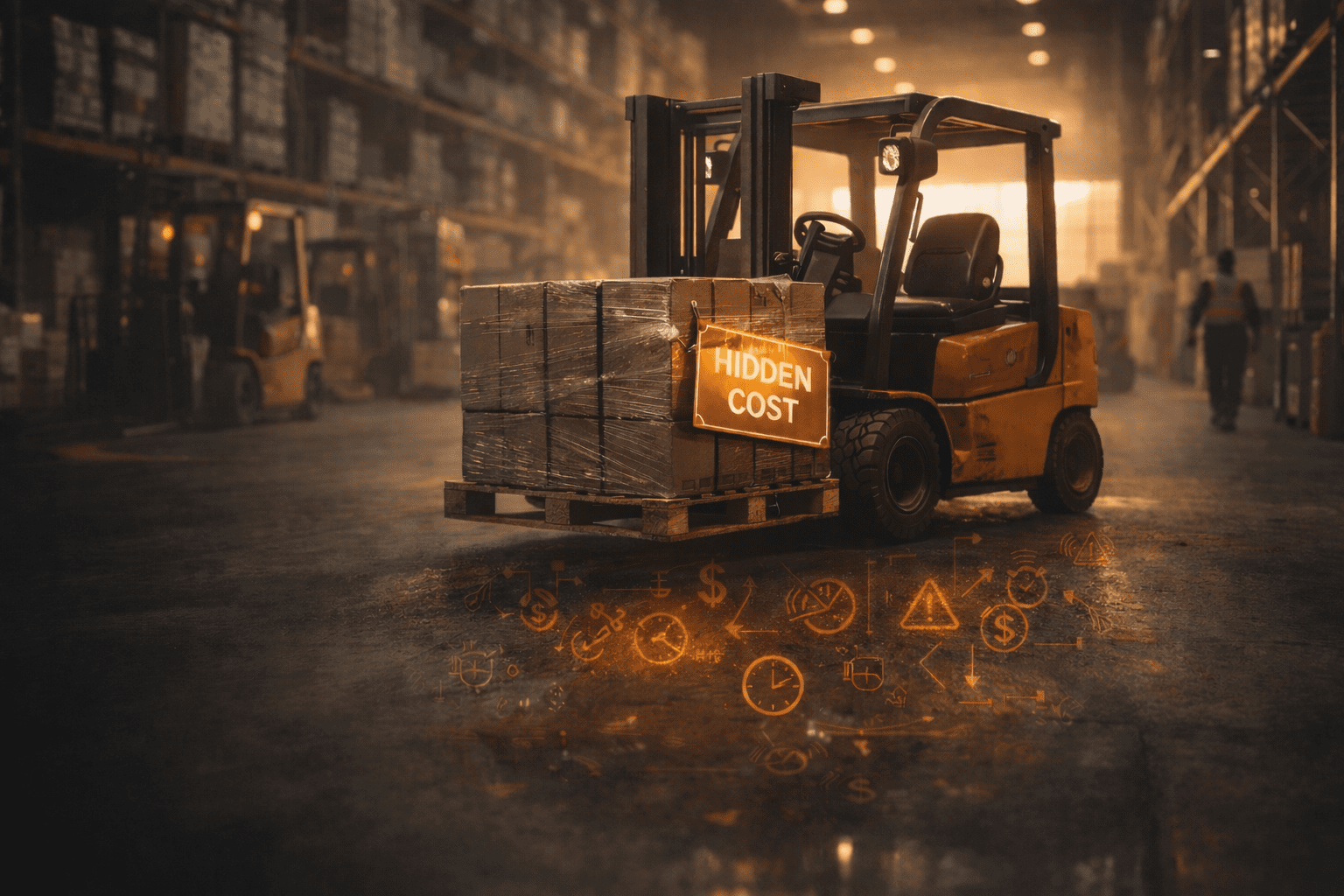
The Hidden Cost of Long-Term Rental
Rental becomes expensive when:
- Short-term units remain on hire indefinitely
- Utilisation is high and continuous
- Rental rates exceed ownership cost over time
Many businesses unknowingly use rental forklifts as permanent assets, paying a premium for flexibility they no longer need.
Why Supplier Recommendations Are Often Biased
Forklift suppliers typically specialise in one or two acquisition models. Their recommendations are influenced by:
- Revenue models
- Contract structures
- Inventory strategy
This does not make their advice wrong — but it does mean it is not independent.
Without independent analysis, businesses often default to the option most convenient for the supplier, not the operation.
Matching Forklift Strategy to Operational Reality
The correct acquisition model depends on several operational factors.
Key Questions That Should Drive the Decision
- How many hours per day is the forklift used?
- Is demand consistent or seasonal?
- How stable is the operating environment?
- How quickly do requirements change?
- Is the fleet standardised or mixed?
Answering these questions objectively often reveals that a blended strategy — combining owned, leased, and rental units — is the most cost-effective approach.
The Cost of Getting It Wrong
Poor acquisition decisions often result in:
- Excess fleet size
- Underutilised owned assets
- Rental dependency
- Escalating maintenance costs
- Contract penalties
These costs rarely appear in a single budget line, making them easy to overlook.
How Independent Analysis Improves Forklift Procurement Decisions
Independent forklift management evaluates acquisition decisions using:
- Utilisation data
- Lifecycle cost modelling
- Contract risk analysis
- Operational flexibility requirements
This approach removes supplier bias and aligns fleet strategy with business reality.
The Role of Lifecycle Costing in Acquisition Decisions
Upfront price is only one component of forklift cost.
True lifecycle cost includes:
- Acquisition or rental cost
- Maintenance and repairs
- Downtime impact
- Operator efficiency
- End-of-term or resale cost
Decisions based on lifecycle cost consistently outperform those based on monthly price alone.
Why Many Businesses Need More Than One Strategy
High-performing operations rarely rely on a single acquisition model.
A typical optimised fleet may include:
- Owned forklifts for core, high-utilisation tasks
- Leased forklifts for stable medium-term demand
- Rental forklifts for peaks and temporary needs
This balance delivers flexibility without excessive cost.
Conclusion: There Is No “Best” Option — Only the Right One
Lease, rent, and buy are tools — not strategies in themselves. The right forklift acquisition strategy is one that aligns with how your operation actually works, not how contracts are sold.
Independent, data-driven decision-making ensures forklifts support productivity rather than quietly draining resources.