
The True Cost of Forklift Service Delays: How to Measure and Eliminate Hidden Downtime

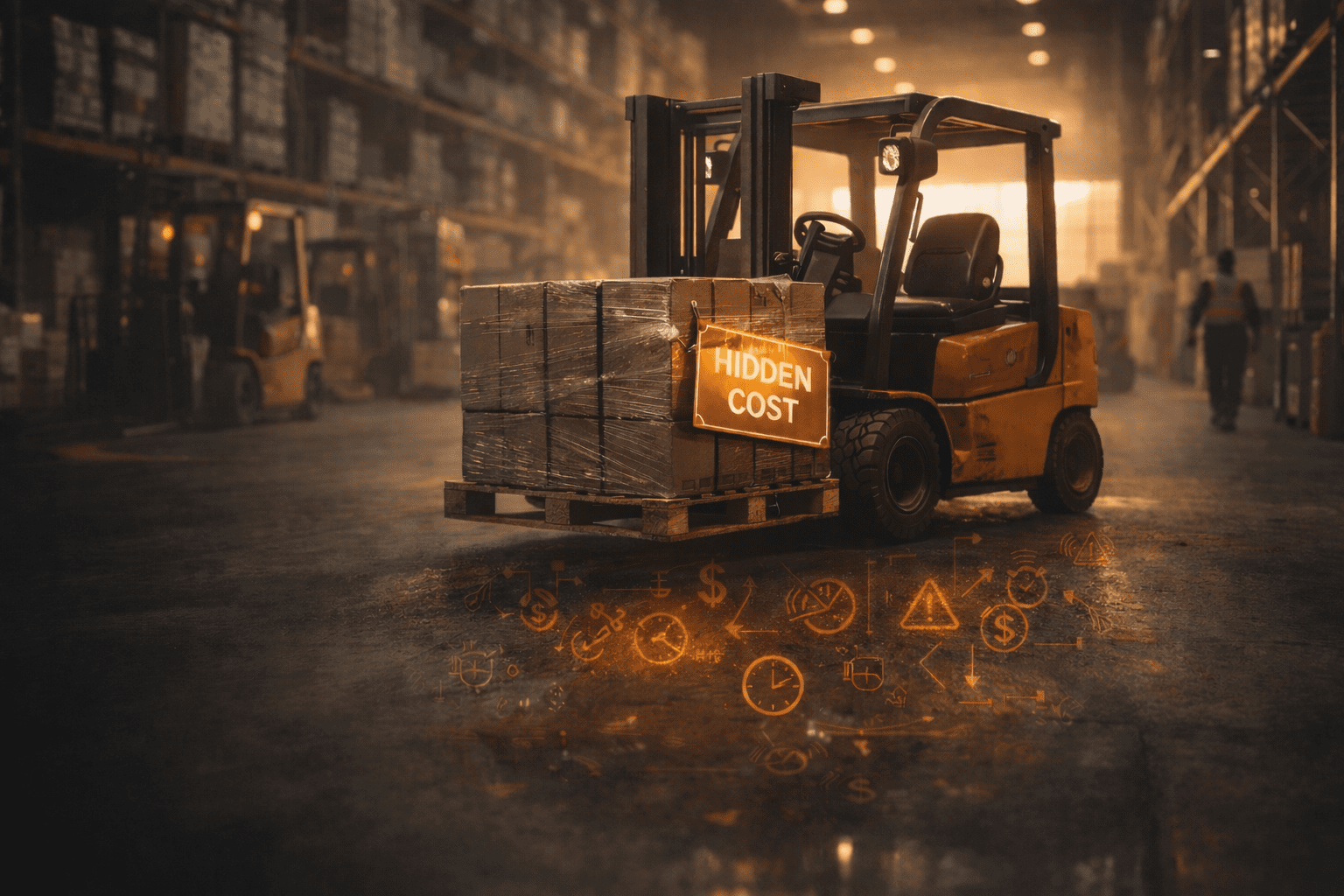
Forklift downtime is one of the most underestimated cost drivers in warehouse, manufacturing, and logistics operations. When a forklift breaks down and service is delayed, the visible cost is usually limited to a repair invoice or a line item on a rental statement. What is far less visible — and far more damaging — is the hidden operational cost of waiting.
Service delays quietly erode productivity, increase labour inefficiency, disrupt workflows, and place pressure on teams to “make a plan”. Over time, these delays become normalised, accepted as part of doing business, and rarely challenged with data.
This article explores the true cost of forklift service delays, why most businesses dramatically underestimate their impact, how to accurately measure downtime, and how independent oversight helps eliminate unnecessary delays without damaging supplier relationships.

Why Forklift Service Delays Are So Common
Most businesses do not deliberately tolerate poor service. Delays occur because forklift service delivery is complex and often fragmented.
Common contributing factors include:
- Multiple suppliers across different sites
- Inconsistent SLA definitions
- Poor visibility of service response times
- Reactive escalation processes
- Lack of independent performance measurement
When these issues combine, delays become systemic rather than exceptional.
Understanding What “Service Delay” Really Means
A service delay is not limited to the time a technician arrives on site. True delay includes the entire period from fault occurrence to full operational recovery.
This often includes:
- Time taken to log the call
- Waiting for supplier response
- Technician travel time
- Diagnosis time
- Waiting for parts
- Repeat visits due to incomplete repairs
Each stage introduces friction — and cost.
The Visible Cost vs the Invisible Cost of Downtime
Most organisations only account for the visible costs of downtime:
- Repair invoices
- Emergency call-out fees
- Short-term rental units
However, these represent only a fraction of the real impact.

The Hidden Costs Most Businesses Miss
1. Lost Productivity and Throughput
Forklifts are productivity multipliers. When one is unavailable:
- Picking slows down
- Loading and offloading are delayed
- Work queues form
- Downstream processes stall
In high-throughput environments, one forklift down can affect an entire shift’s output.
2. Labour Inefficiency
When equipment is unavailable, labour does not disappear.
Common outcomes include:
- Operators waiting idle
- Staff redeployed to less efficient manual handling
- Supervisors firefighting instead of managing
Labour costs continue, but productivity drops.
3. Overtime and Recovery Costs
To recover lost time, operations often rely on:
- Overtime shifts
- Weekend work
- Additional temporary labour
These recovery costs are rarely attributed to the original breakdown — but they are a direct consequence of it.
4. Increased Safety Risk
Service delays increase safety risk in subtle ways:
- Operators rush to make up time
- Equipment is shared beyond safe limits
- Unsafe workarounds become normalised
Incidents often follow periods of prolonged downtime pressure.
5. Customer Service and Reputation Impact
Missed dispatch windows, delayed production runs, or incomplete orders eventually reach customers.
Even when penalties are not applied, service reliability suffers — quietly damaging reputation.
Why SLAs Often Fail to Protect the Customer
Many businesses assume SLAs will prevent delays. In practice, SLAs often fail because they are:
- Poorly defined
- Not actively monitored
- Lacking enforcement mechanisms
Response time targets may exist on paper but are rarely measured consistently.
Common SLA Blind Spots
Typical SLA weaknesses include:
- Response time measured from acknowledgement, not fault occurrence
- Repair completion not clearly defined
- No penalties for repeat failures
- No differentiation between critical and non-critical assets
Without clarity, SLAs provide comfort — not control.
Why Service Performance Is Rarely Measured Objectively
In many organisations:
- Service updates are provided verbally or by email
- Data is captured inconsistently
- Reporting is retrospective and manual
This makes objective performance assessment almost impossible. When performance cannot be measured, it cannot be improved.
Measuring the True Cost of Forklift Downtime
To understand the real impact of service delays, businesses must measure downtime holistically.
Key Metrics That Matter
Effective downtime measurement includes:
- Time from fault to resolution
- Downtime hours per forklift
- Downtime cost per hour
- Repeat failure frequency
- SLA compliance percentage
When these metrics are tracked consistently, patterns emerge quickly.
Turning Downtime Data into Financial Insight
Downtime becomes meaningful when translated into cost.
For example:
- Downtime hours × labour cost per hour
- Downtime impact on throughput or production
- Cost of temporary rentals due to service delays
This reframes downtime as a financial issue — not just a maintenance problem.
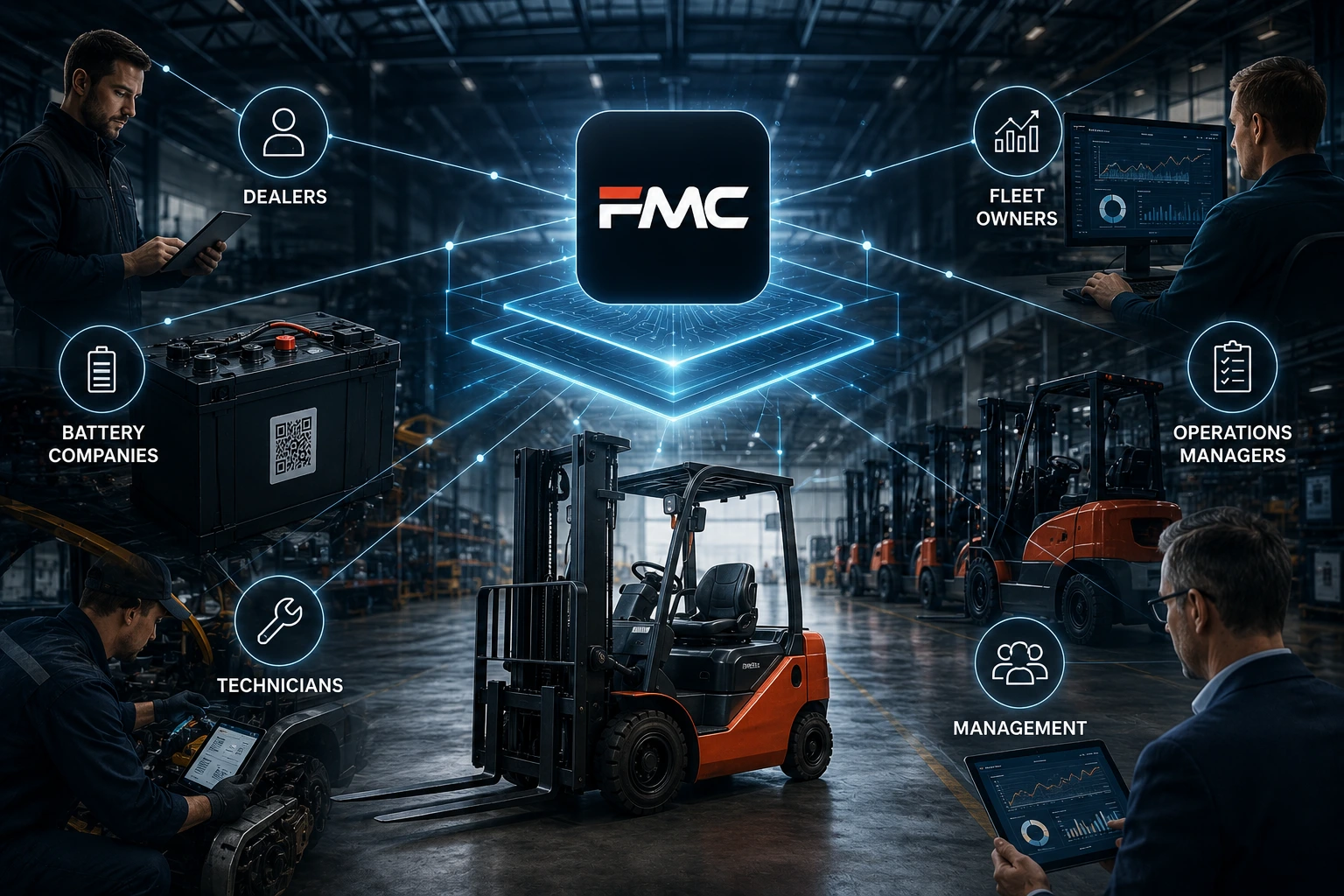
The Role of Independent Fleet Dashboards
Independent fleet dashboards play a critical role in exposing service delays.
They provide:
- Real-time visibility of open service calls
- Accurate timestamps for response and repair
- Supplier performance benchmarking
- Site-by-site comparison
This transparency changes the conversation from opinion to evidence.
Why Independent Oversight Improves Service Performance
Independent oversight does not replace suppliers — it strengthens accountability.
Benefits include:
- Objective escalation based on data
- Fair performance comparisons
- Early identification of systemic issues
- Improved service consistency across sites
Suppliers respond positively when expectations are clear and performance is measured fairly.
Eliminating Delays Without Damaging Supplier Relationships
Many businesses fear that challenging service performance will damage relationships. In reality, the opposite is often true.
Clear, data-backed discussions:
- Reduce conflict
- Align expectations
- Encourage proactive service behaviour
Good suppliers want to perform well — they need visibility and structure to do so.
Moving from Reactive Escalation to Proactive Control
Reactive escalation happens after damage is done. Proactive control focuses on prevention.
This includes:
- Identifying repeat failures early
- Adjusting maintenance strategies
- Prioritising critical assets
- Reviewing SLA suitability regularly
Proactive control reduces both downtime and friction.
Why Downtime Is a Management Issue, Not a Maintenance Issue
Maintenance teams fix equipment. Management controls systems.
Without management-level oversight:
- Downtime remains invisible
- SLAs remain unenforced
- Costs continue to escalate
Effective downtime reduction requires leadership attention and structured oversight.
Building a Business Case for Change
When downtime costs are measured properly, the case for independent oversight becomes clear.
Businesses often discover:
- Downtime costs exceed maintenance costs
- Service delays are avoidable
- Small improvements deliver significant returns
This shifts forklift management from operational noise to strategic focus.
Conclusion: What You Don’t Measure Is Costing You
Forklift service delays are not just inconvenient — they are expensive, disruptive, and preventable. The biggest cost is not the repair invoice, but the hidden operational impact that goes unmeasured and unmanaged.
By measuring downtime accurately, enforcing SLAs objectively, and applying independent oversight, businesses regain control of their forklift fleets — and protect productivity where it matters most.