
For decades, the materials handling industry has improved equipment, service and technology. Yet one critical gap remained: visibility. Discover how FMC is creating the missing operational control layer that connects dealers, fleet owners, battery companies, technicians and management through a single source of truth.
For decades, the materials handling industry has focused on improving equipment.
Forklifts became more reliable.
Batteries became more efficient.
Telematics became smarter.
Workshop systems became more sophisticated.
Service providers became faster.
Yet despite all this progress, one fundamental problem remained.
Everyone was looking at a different piece of the operation.
Nobody was seeing the whole picture.
And that is where the industry’s biggest visibility gap was created.
An Industry Built on Silos
The materials handling industry is incredibly interconnected.
Every day:
- Dealers service fleets
- Fleet owners operate equipment
- Battery companies manage energy assets
- Technicians perform maintenance
- Operations managers manage productivity
- Procurement teams manage suppliers
- Executives manage budgets
Every stakeholder plays a critical role.
But historically, each stakeholder has operated within their own silo.
The dealer sees job cards.
The customer sees downtime.
The technician sees today’s jobs.
The battery company sees battery performance.
Management sees reports.
Everyone sees something.
Nobody sees everything.
The Visibility Problem Nobody Talks About
When a forklift breaks down, the industry knows how to respond.
A technician is dispatched.
Repairs are completed.
The machine returns to service.
Problem solved.
Or is it?
What often remains invisible is:
- How often the machine breaks down
- How long it was unavailable
- Whether the same fault has occurred before
- How the downtime affected operations
- Whether SLA targets were achieved
- How much the failure actually cost
The repair is visible.
The operational impact often isn’t.
Multiply that across:
- Hundreds of assets
- Multiple sites
- Multiple suppliers
- Multiple technicians
And visibility starts to disappear remarkably quickly.
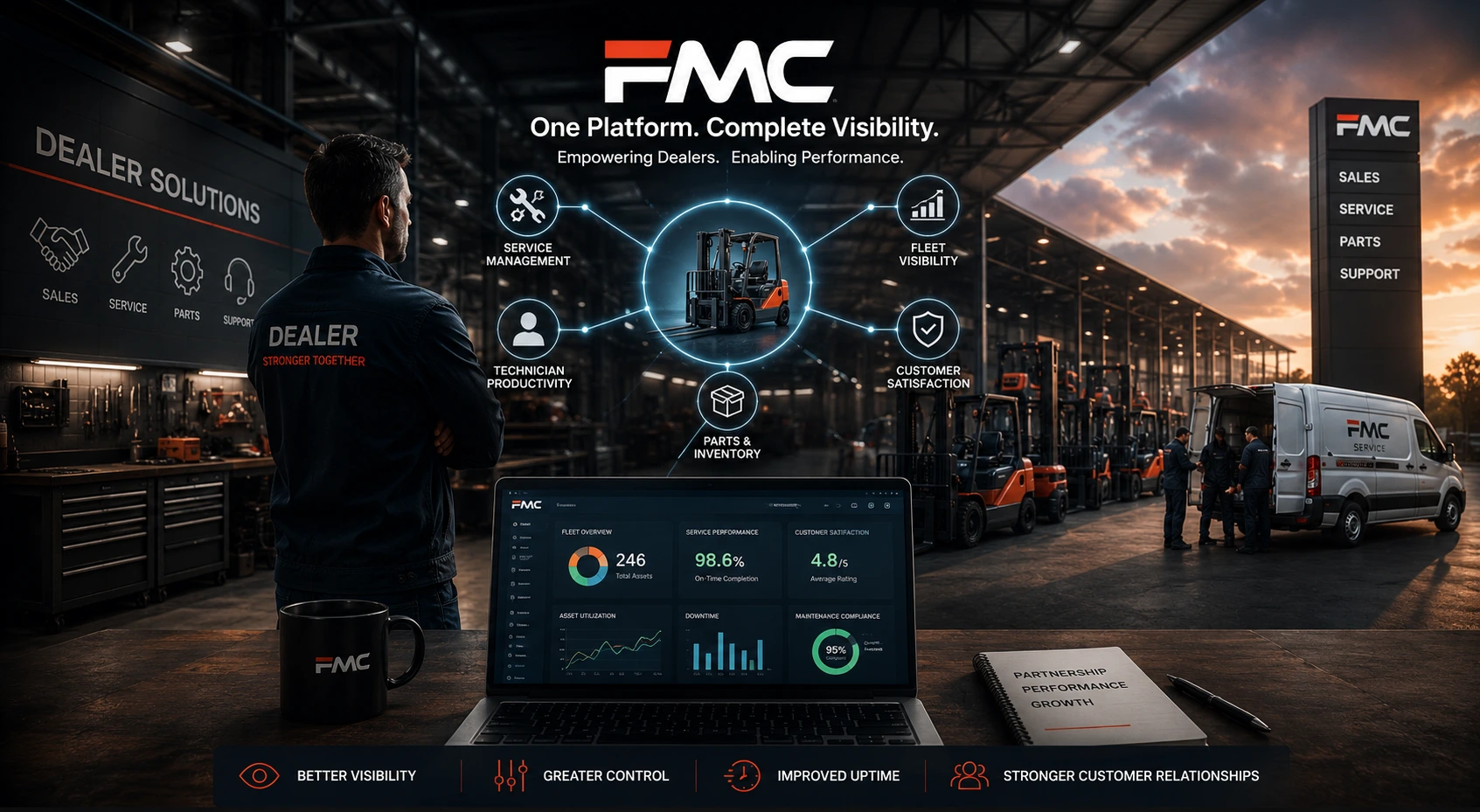
Dealers Have a View
Dealers typically have excellent visibility into service operations.
They can see:
- Job cards
- Technician allocation
- Parts usage
- Workshop activity
- Service schedules
What they often cannot see is:
- Fleet-wide operational performance
- Customer productivity impact
- Supplier comparisons
- Multi-site visibility
- Independent fleet governance
Their systems were built to manage service.
Not entire customer ecosystems.
Fleet Owners Have a Different View
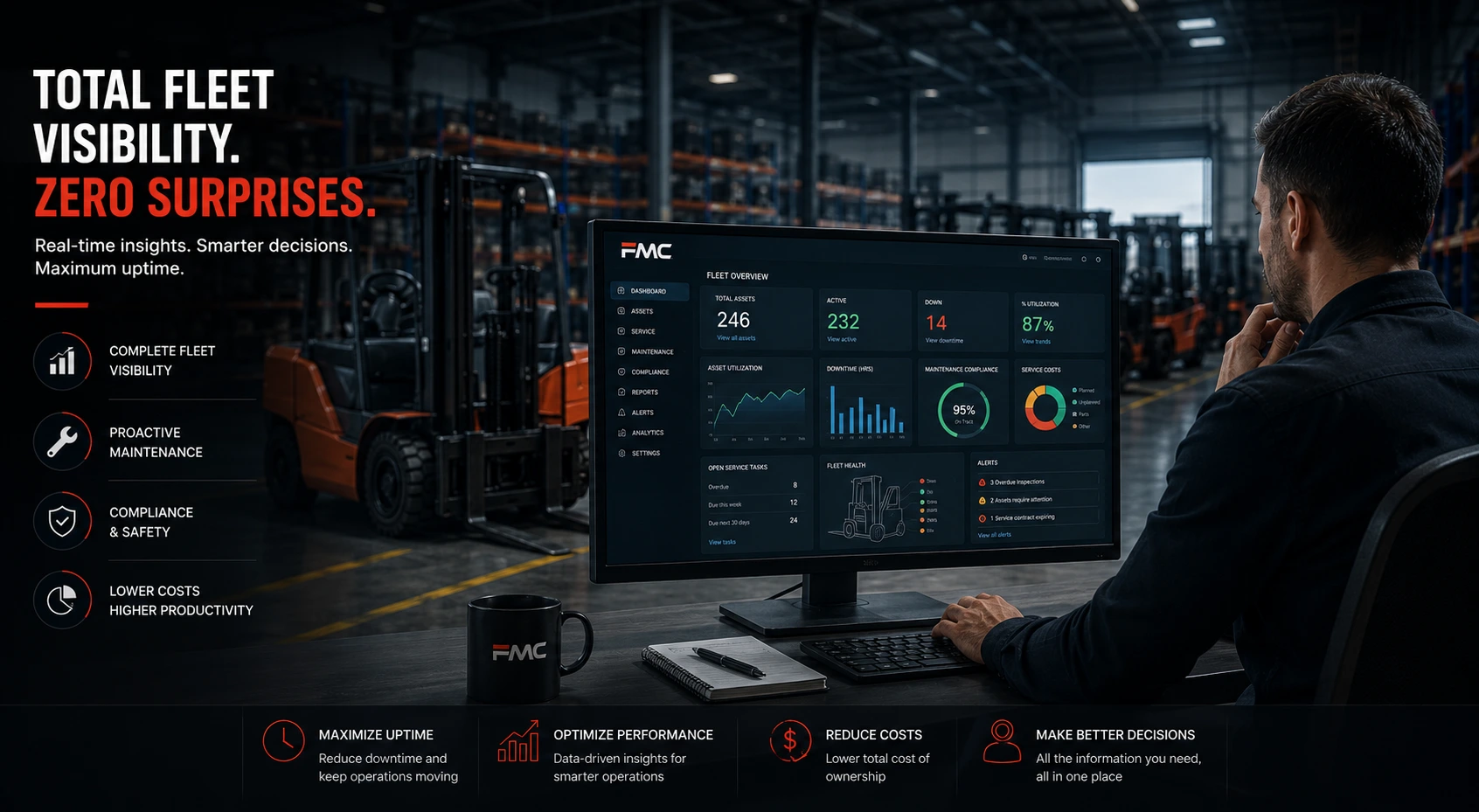
Fleet owners experience the operation from a completely different perspective.
They see:
- Downtime
- Operational disruption
- Lost productivity
- Delayed deliveries
- Rising costs
But they often struggle to see:
- Technician activity
- Service quality
- SLA performance
- Root cause trends
- Asset lifecycle performance
They know there is a problem.
They just don’t always know why.
Battery Companies Face the Same Challenge
The battery industry has evolved dramatically.
Many companies now manage:
- Thousands of batteries
- Multiple customer sites
- Service contracts
- Maintenance schedules
- Warranty programs
Yet many still rely on fragmented information.
A battery may have:
- A service history
- A warranty history
- A customer history
- A location history
But those records often live in different places.
The information exists.
The visibility doesn’t.
Technicians See the Front Line
Technicians are often closest to the truth.
They know:
- Which assets are problematic
- Which customers experience recurring issues
- Which equipment needs replacing
- Which repairs are recurring
Yet much of this valuable knowledge remains trapped inside:
- Paper job cards
- Emails
- WhatsApp messages
- Personal experience
The industry has historically struggled to convert technician knowledge into organisational intelligence.
The Industry Didn’t Need Another System
This is where many technology projects go wrong.
They attempt to solve the problem by adding another system.
Another portal.
Another spreadsheet.
Another reporting tool.
But the materials handling industry didn’t need another isolated platform.
It needed a way to connect them.
FMC: The Missing Layer
FMC was built around a simple observation:
Every stakeholder already has valuable information.
The challenge is that nobody is seeing the same information.
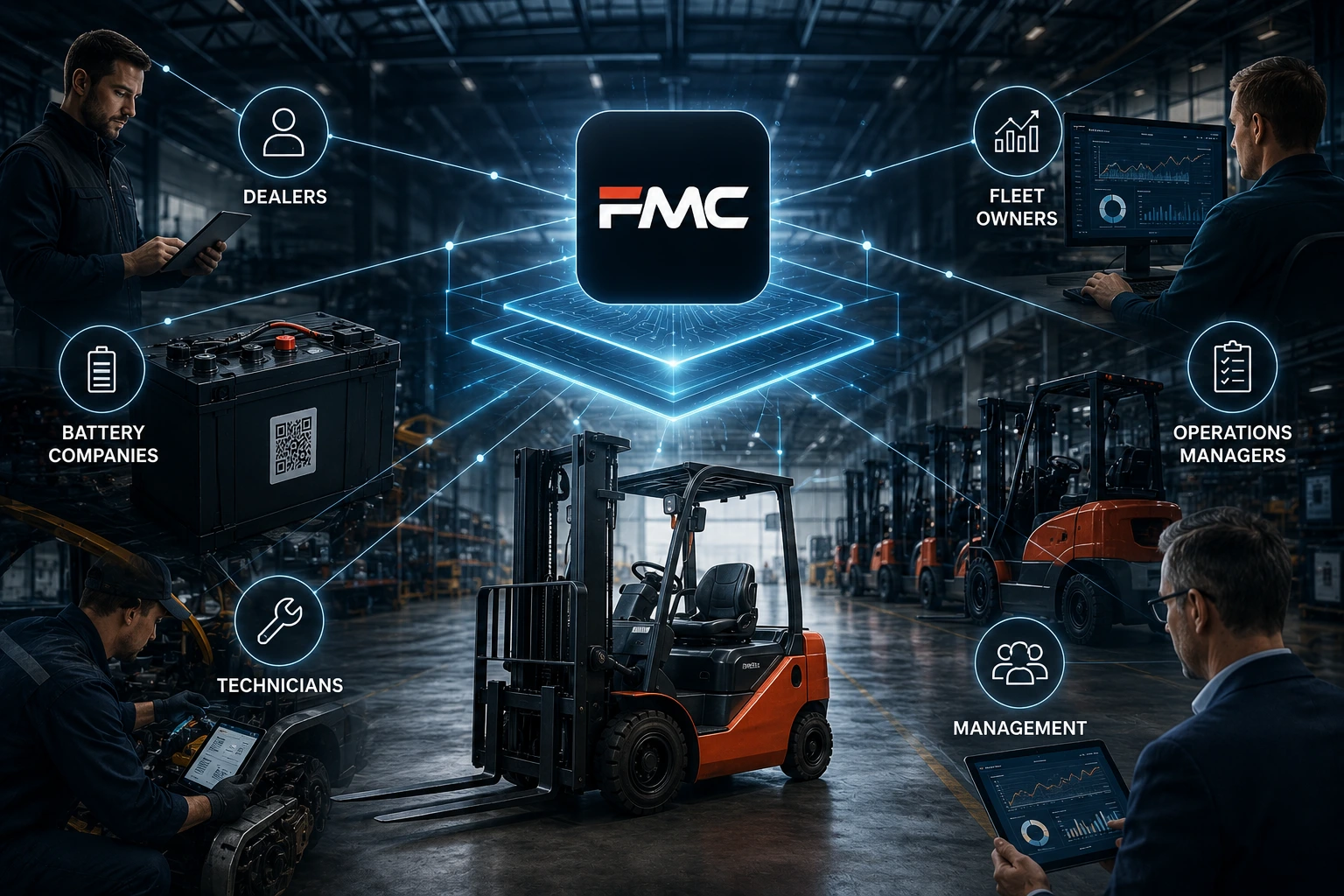
FMC creates a visibility layer across the entire operation.
For the first time:
- Dealers see customer impact
- Fleet owners see operational performance
- Battery companies see asset lifecycle data
- Technicians contribute structured information
- Management sees real-time visibility
Everyone operates from the same source of truth.
What Changes When Visibility Exists?
The shift is bigger than most businesses expect.
Instead of asking:
“Was the machine repaired?”
They start asking:
“Why did it fail?”
Instead of:
“Did the technician attend?”
They ask:
“How effectively was the problem resolved?”
Instead of:
“Is the battery under warranty?”
They ask:
“What is the lifecycle trend of this entire battery fleet?”
Visibility changes the questions.
And better questions lead to better decisions.
One Platform. Multiple Industries.
What makes FMC unique is that it isn’t limited to one type of user.
For Dealers
FMC provides:
- Technician accountability
- Customer visibility
- Service governance
- Operational dashboards
For Fleet Owners
FMC provides:
- Uptime visibility
- Downtime management
- Compliance tracking
- Independent oversight
For Battery Companies
FMC provides:
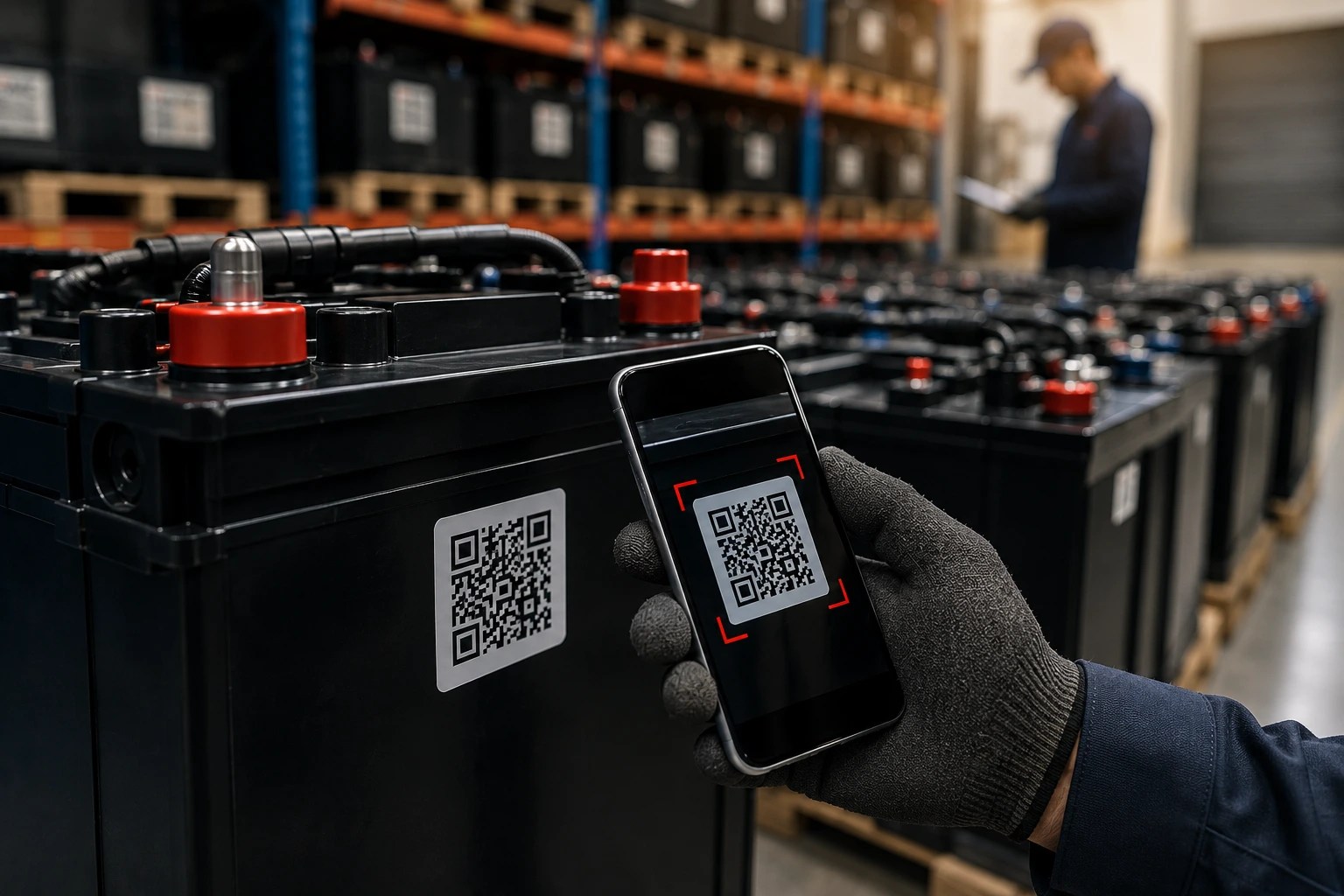
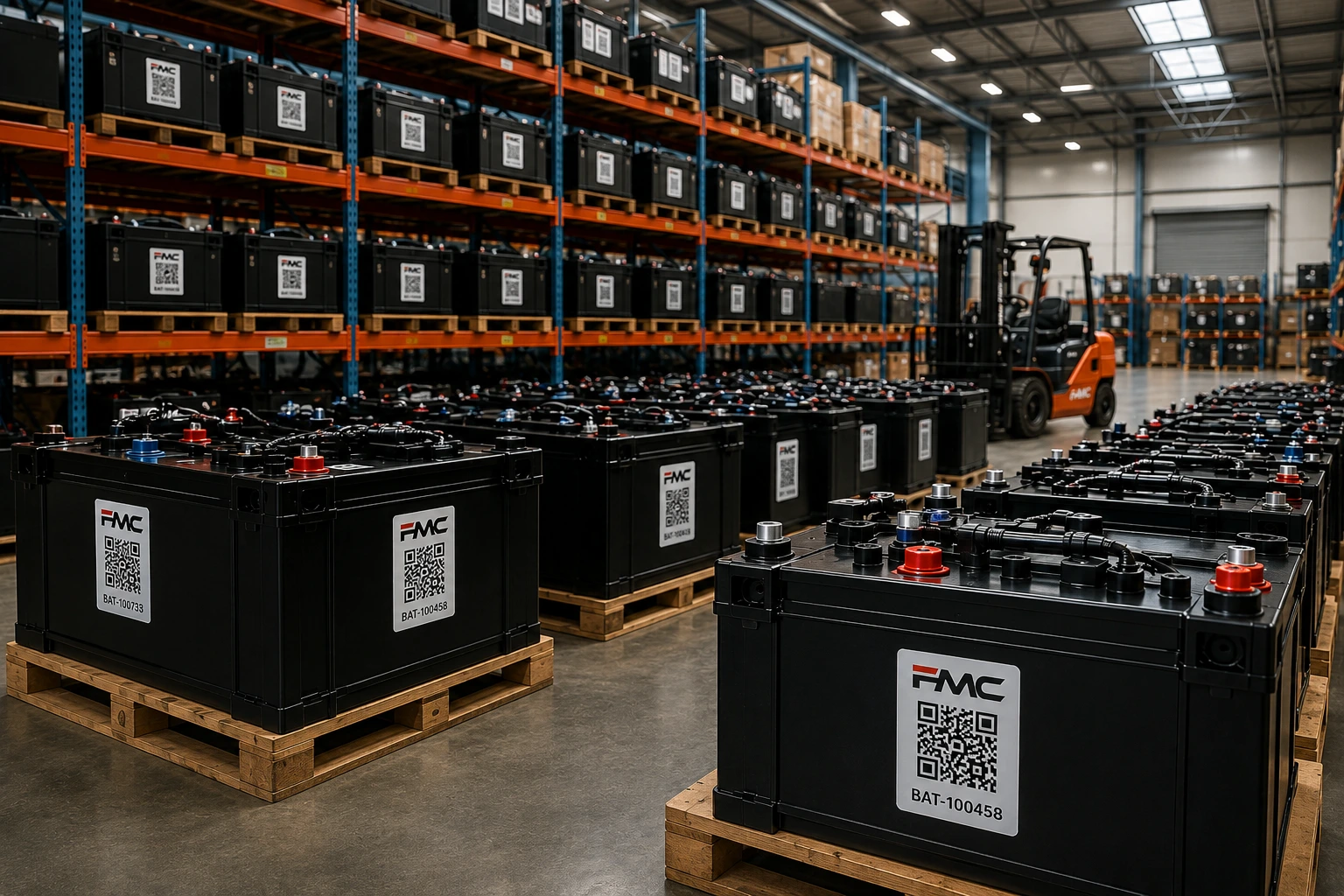
- QR code asset tracking
- Service history
- Warranty management
- Lifecycle control
For Management
FMC provides:
- Real-time visibility
- Performance reporting
- Operational intelligence
- Strategic decision-making
Different users.
One source of truth.
The Next Evolution of Materials Handling
The industry has already gone through several major evolutions.
First came better equipment.
Then came better service.
Then came telematics.
Now comes something different.
Visibility.
Not visibility into a machine.
Visibility into an entire operation.
Because the future of materials handling will not be defined by who has the most equipment.
It will be defined by who has the most insight.
Final Thought
For years, the materials handling industry has been incredibly good at managing equipment.
What it has lacked is a way to connect people, assets, suppliers, technicians and customers into a single operational view.
That missing layer has always been visibility.
FMC was built to provide it.
Not another system.
Not another spreadsheet.
Not another portal.
A completely new layer of operational control.